
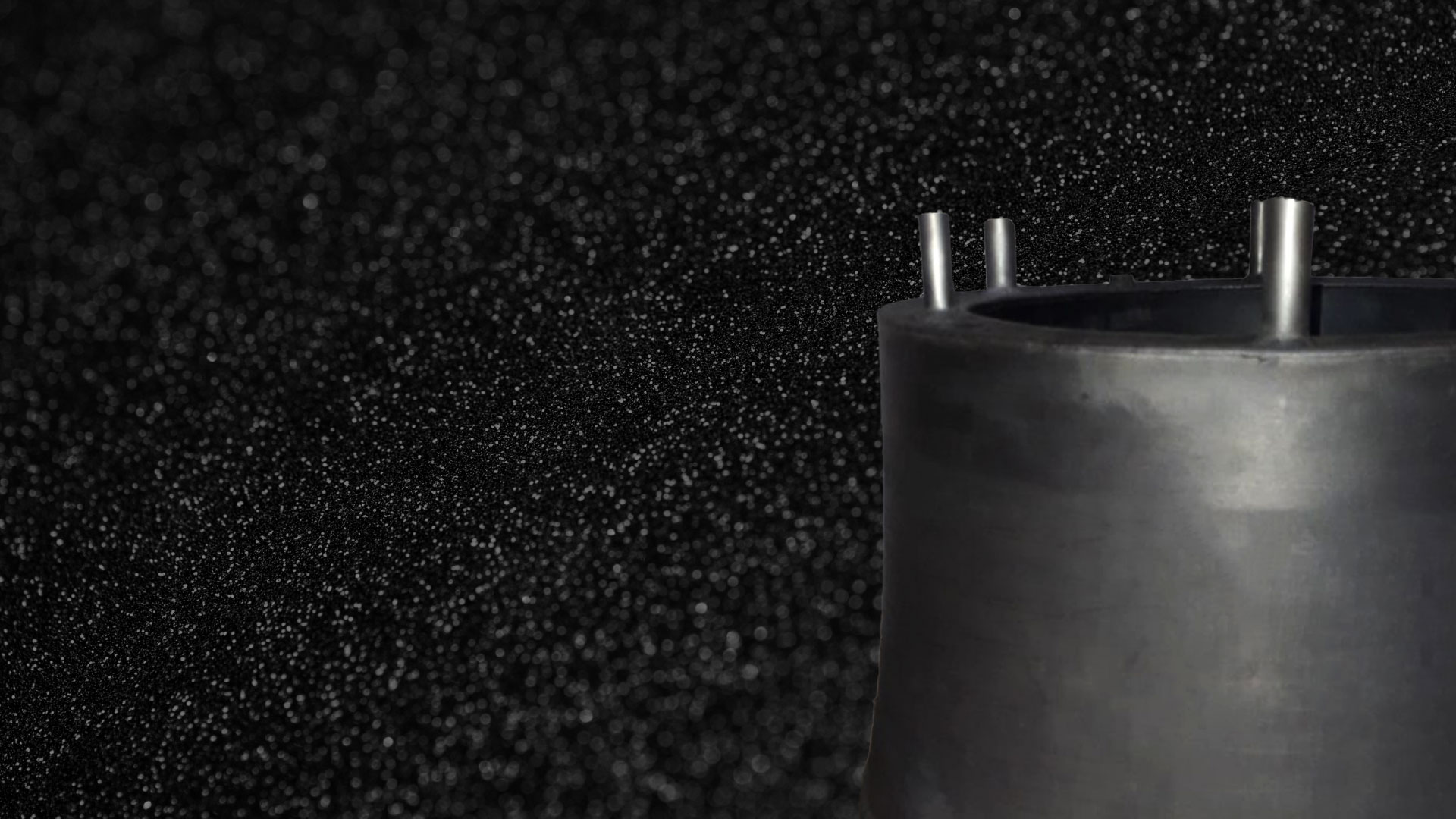
Powder Metallurgy vs. Forging: Which Process Is Right for Your Component?
Why Engineers Compare Powder Metallurgy & Forging Selecting the right metal forming process can have a significant impact on component performance, manufacturing cost, and long-term

What is Powder Metallurgy? A Manufacturing Solution for High-Performance Components
Powder metallurgy (PM) is a manufacturing process that shapes metal parts from powder using pressure and heat without melting the metal. The result is parts

What is hot isostatic pressing?
And why engineers rely on it for critical components When performance cannot be compromised, the manufacturing process has to match the stakes. So, what is
Why Synertech’s Capabilities Are Built for Titanium Manufacturing Applications
Titanium’s exceptional strength-to-weight ratio, corrosion resistance, and high-temperature performance make it ideal for applications where reliability and weight reduction are critical. However, titanium presents unique
Hot Isostatic Pressing vs Forging
Explore which manufacturing process is right for critical components. Engineers responsible for critical components often evaluate multiple manufacturing methods to balance performance, reliability, material utilization,
HIP vs. Casting: Which Process Delivers Better Performance for Critical Components?
Casting remains one of the most widely used manufacturing methods for producing complex metal parts, but it can introduce internal defects during solidification that impact
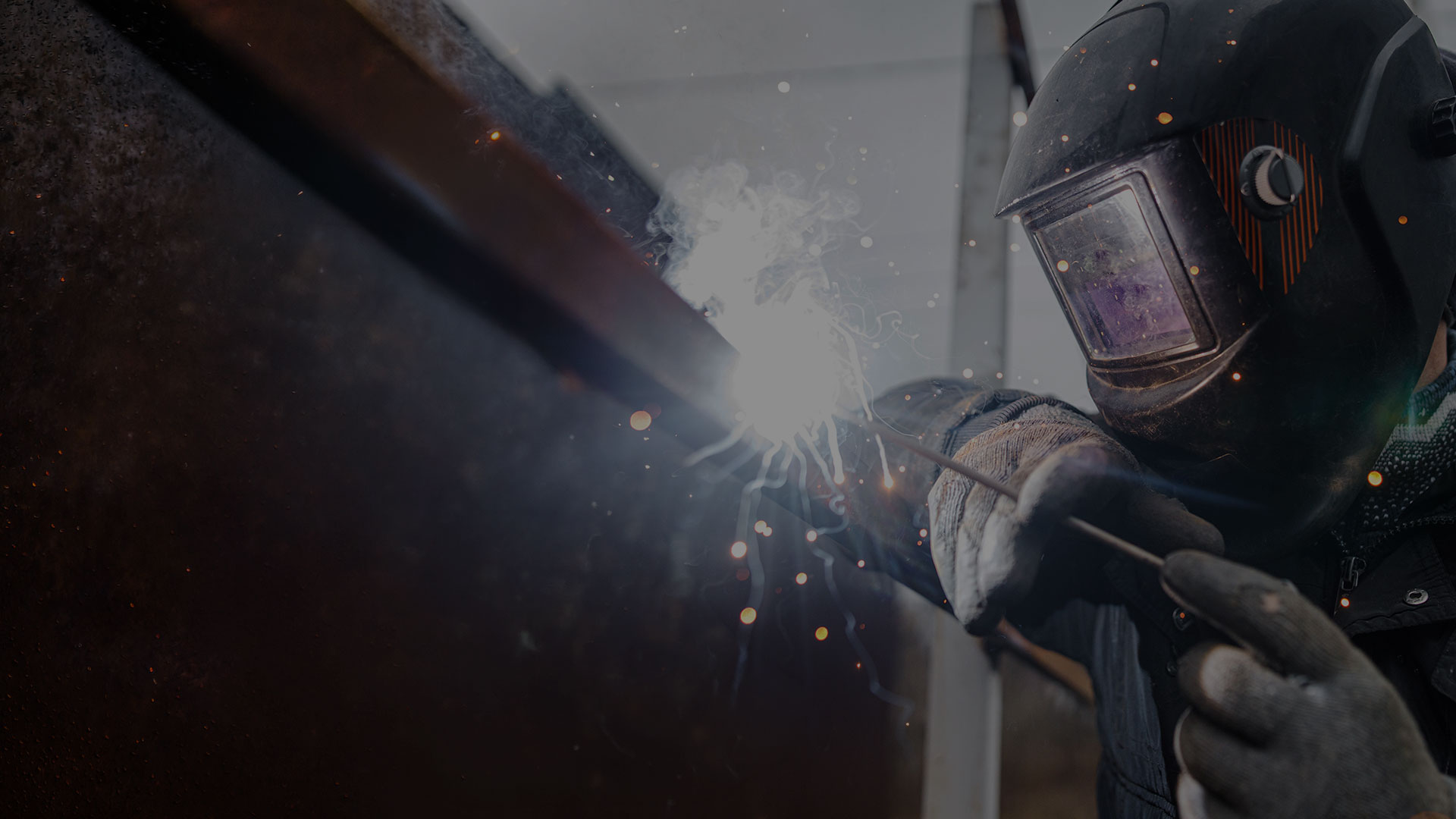
GMAW and SMAW Welding for Aerospace Applications
GMAW and SMAW Welding for Aerospace Applications SMAW Welding SMAW is short for “Shielded Metal Arc Welding.” Also sometimes called “stick” welding. This is because

Titanium Parts for Aerospace Applications
Titanium Parts for Aerospace Applications Titanium parts are frequently found in products used by the aerospace industry for all types of applications. Most of the titanium
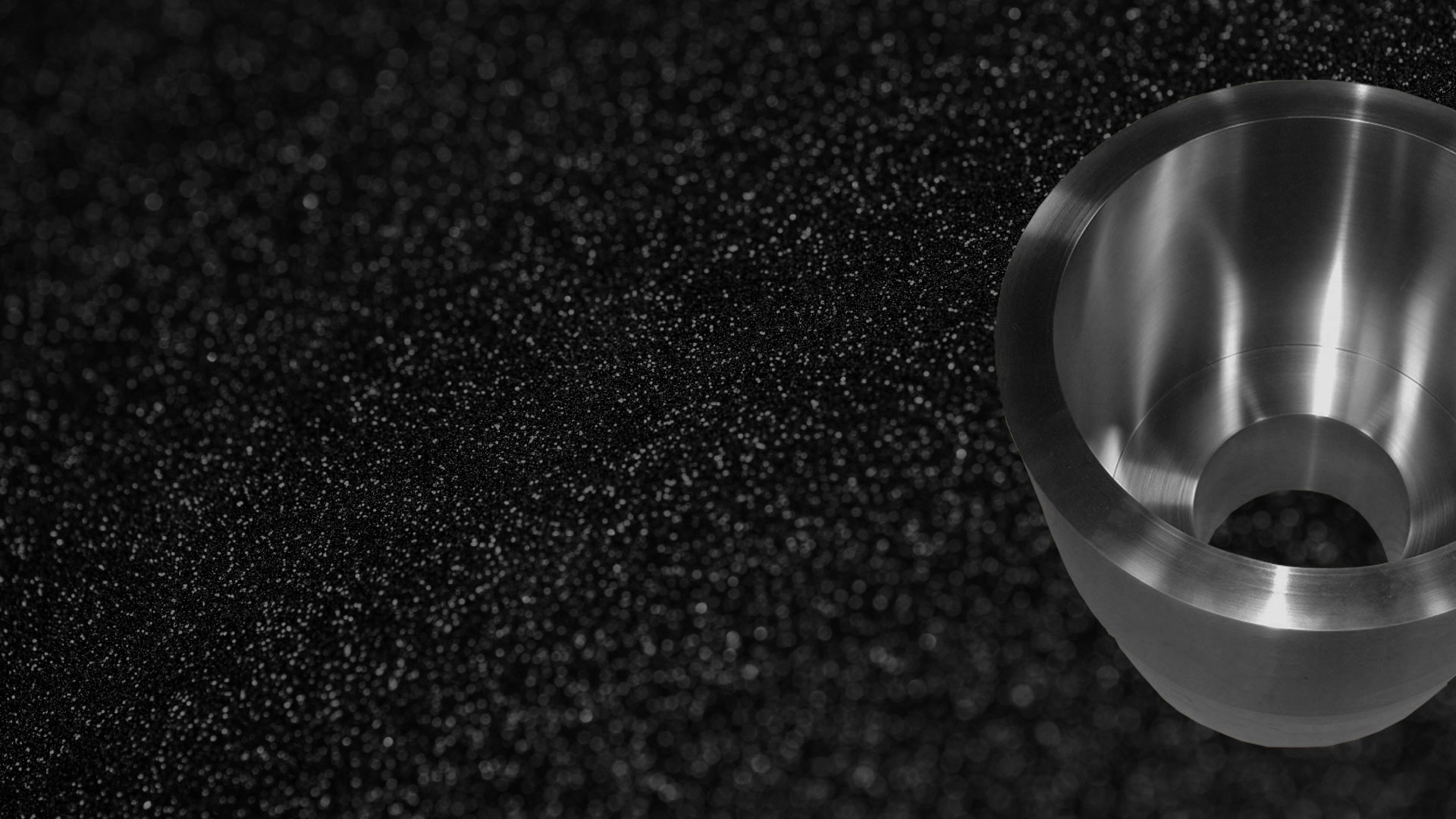
ASTM International Compliance
ASTM International has no role in requiring or enforcing compliance with its standards. The standards, however, may become mandatory when referenced by an external contract,

What is Metal Crack Detection?
How does metal crack detection work? Using one of our many vacuum stations, we are able to pull down parts to a working vacuum of
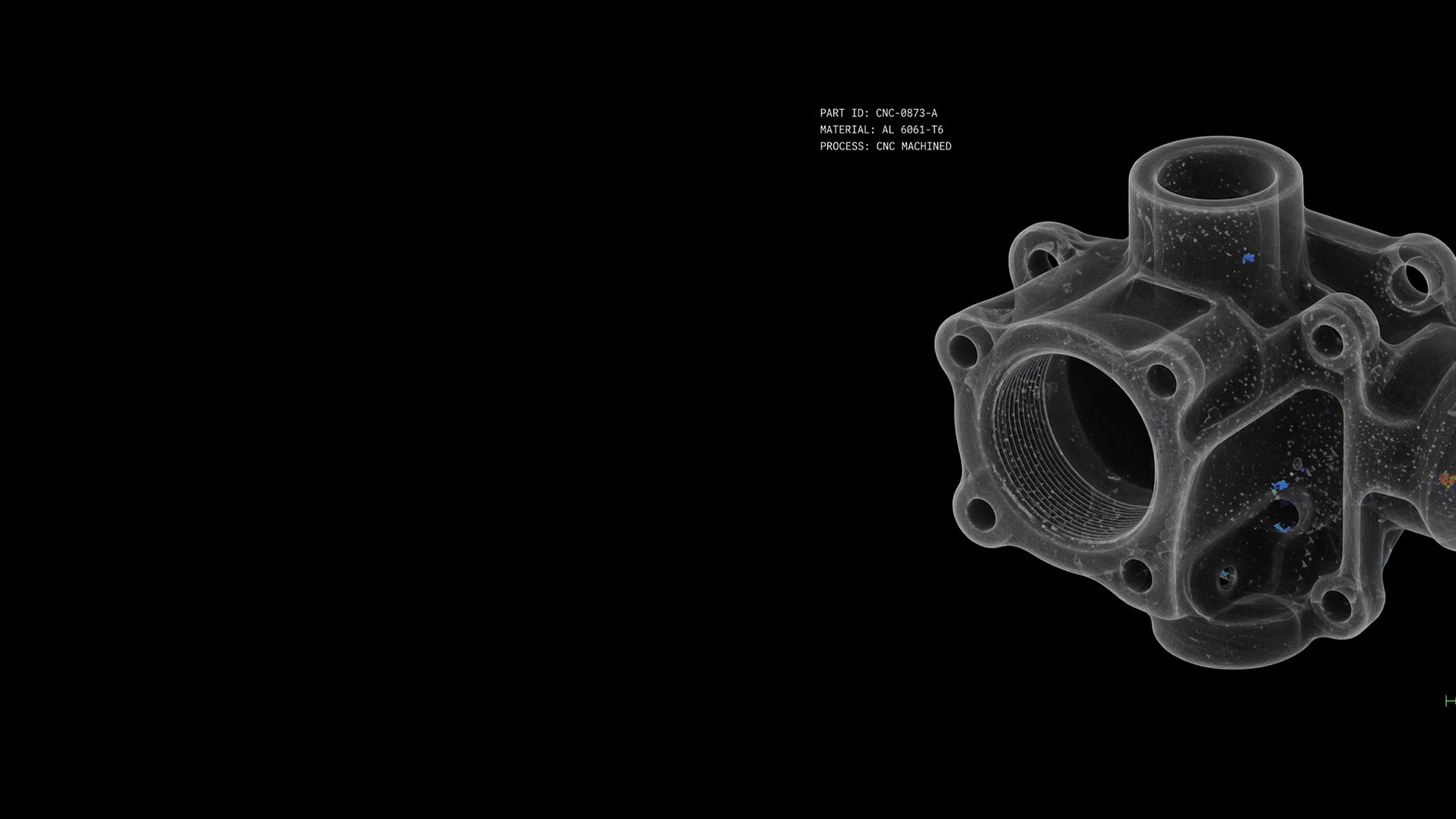
Leak & Crack Detection on Manufactured Parts
Leak & Crack Detection on Manufactured Parts Metal crack detection is critical to detect flaws in metals, for instance, a typical welding defect may be