Powder Consolidation

Overview

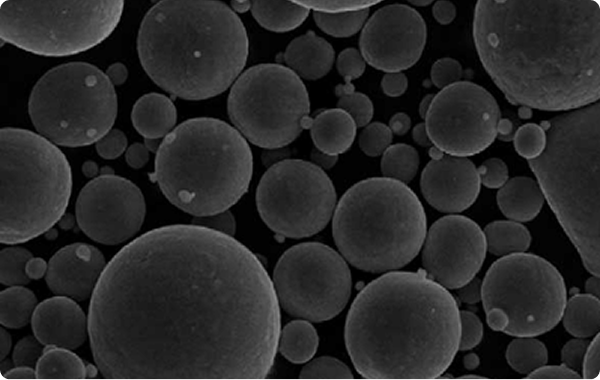
Powder consolidation is the process of transforming loose metal powders into a dense, solid material through controlled pressure and thermal processing.

At Synertech PM, powder consolidation enables the production of high-performance components with exceptional material consistency, density, and mechanical strength. By applying advanced powder metallurgy techniques, our team converts powdered materials into precision parts that perform reliably in demanding environments.

Key Benefits of Powder Consolidation

High material density and structural integrity

Consolidation transforms granular metal powders into a cohesive solid structure capable of withstanding demanding mechanical loads.

Near-net-shape manufacturing

Powder consolidation forms parts close to their final geometry, reducing machining time and material waste.

Improved mechanical properties

Controlled densification enhances properties such as strength, hardness, fatigue resistance, and wear performance.

Consistent part-to-part uniformity

Powder metallurgy processes deliver highly repeatable results across production runs.

Material flexibility

A wide range of ferrous and non-ferrous alloys can be consolidated, allowing engineers to tailor material properties for specific applications.

Reduced manufacturing waste

Powder metallurgy uses more than 95% of raw materials, making it a highly efficient and sustainable manufacturing approach.

Complex geometry capability

Consolidation processes allow the production of intricate shapes that would be difficult or costly to machine from solid stock.

Applications Across Industries

Powder consolidation supports the production of durable, high-precision components used across a wide range of industries.

Technical Details

Careful control of compaction parameters and sintering conditions is essential to producing high-quality consolidated powder metal components.

When specifying powder consolidation for a project, engineers should consider the following process parameters:

CategoryConsiderationEngineering Impact
Powder CharacteristicsParticle size, shape, and alloy compositionInfluences packing density, compaction efficiency, and final material properties
Compaction MethodDie pressing, Cold Isostatic Pressing (CIP), or Hot Isostatic Pressing (HIP)Determines achievable density and geometry
Pressure LevelsApplied during consolidationHigher pressures increase green density and improve final mechanical performance
Sintering ConditionsControlled temperature and atmosphereBonds powder particles without melting the material
Density TargetsDesired relative density of the finished partImpacts fatigue life, strength, and durability
Part GeometryComplexity and wall thicknessInfluences compaction uniformity and shrinkage behavior
Material SelectionFerrous and non-ferrous powder systemsEnables tailored material performance
Shrinkage ControlDimensional changes during sinteringCritical for achieving tight tolerances
Secondary ProcessingHIP densification, machining, heat treatmentImproves final precision and mechanical properties
Quality AssuranceDensity testing, NDT inspection, dimensional verificationEnsures structural integrity and process repeatability

The Synertech Approach

With more than a century of combined engineering expertise, our team partners with manufacturers to replace traditional casting and forging processes with advanced powder metal solutions that improve performance while reducing lead times.

Why Synertech Stands Out

Get great powdered metal parts built to spec—no matter how complex the design.

Partner with Synertech PM.