
Why Synertech’s Capabilities Are Built for Titanium Manufacturing Applications

Titanium’s exceptional strength-to-weight ratio, corrosion resistance, and high-temperature performance make it ideal for applications where reliability and weight reduction are critical. However, titanium presents unique manufacturing challenges. It is difficult to machine, expensive as a raw material, and highly sensitive to contamination and microstructural defects during processing. Traditional manufacturing methods often result in significant material […]
Hot Isostatic Pressing vs Forging
Explore which manufacturing process is right for critical components. Engineers responsible for critical components often evaluate multiple manufacturing methods to balance performance, reliability, material utilization, and cost. Two processes frequently considered for high-performance metal parts are hot isostatic pressing (HIP) and forging. Understanding the differences between hot isostatic pressing vs forging can help engineers select […]
HIP vs. Casting: Which Process Delivers Better Performance for Critical Components?
Casting remains one of the most widely used manufacturing methods for producing complex metal parts, but it can introduce internal defects during solidification that impact long-term performance. Porosity, shrinkage cavities, and microvoids are common concerns in cast components, particularly in applications where fatigue resistance and structural integrity are essential. This is where Hot Isostatic Pressing […]
Powder Metallurgy vs. Forging: Which Process Is Right for Your Component?
Why Engineers Compare Powder Metallurgy & Forging Selecting the right metal forming process can have a significant impact on component performance, manufacturing cost, and long-term production efficiency. Engineers evaluating metal components often compare the powder metallurgy process and forging because both are proven manufacturing methods capable of producing high-performance parts. While the two processes can […]
What is Powder Metallurgy? A Manufacturing Solution for High-Performance Components
Powder metallurgy (PM) is a manufacturing process that shapes metal parts from powder using pressure and heat without melting the metal. The result is parts with near-net-shape geometry, exceptional consistency, and performance characteristics that traditional methods struggle to deliver. In an industry where material efficiency, performance reliability, and lead times directly impact your bottom line, […]
What is hot isostatic pressing?

And why engineers rely on it for critical components When performance cannot be compromised, the manufacturing process has to match the stakes. So, what is hot isostatic pressing? Hot isostatic pressing (HIP) provides engineers with a proven, reliable method to eliminate internal defects and achieve near-theoretical density in cast, powder metal, and additively manufactured components […]
Sintering and Consolidation of Ti Powders plus Resulting Microstructures
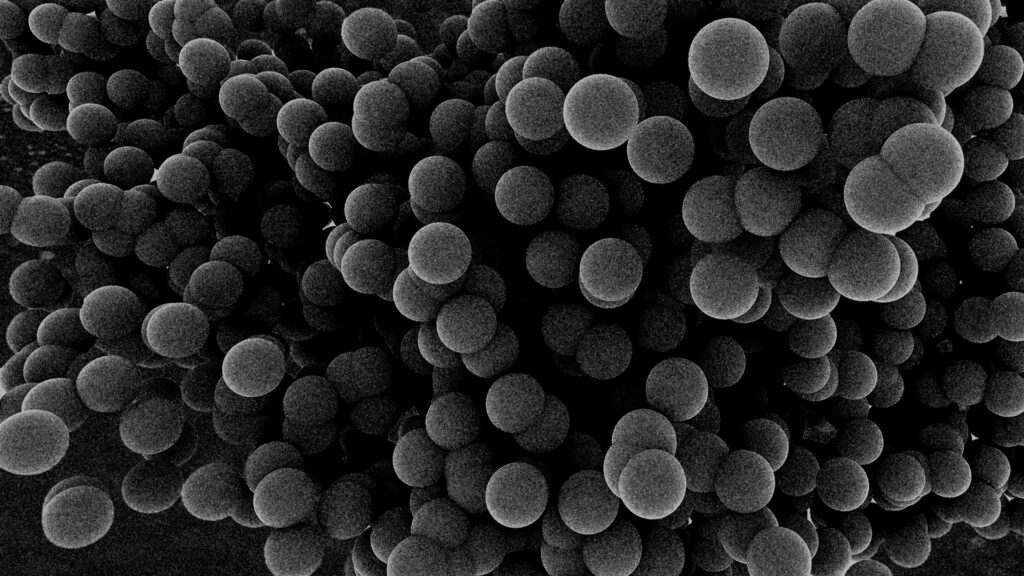
Ti powder compacts can be sintered using a variety of processes, including pressureless sintering under vacuum or inert gas, as well as pressure-assisted consolidation techniques such as vacuum hot pressing (VHP) and HIP. Of course, the microstructure of the sintered Ti alloy depends on the specific process and the processing parameters employed, as well as […]
ASTM International Compliance

ASTM International has no role in requiring or enforcing compliance with its standards. The standards, however, may become mandatory when referenced by an external contract, corporation, or government.[3] In the United States, ASTM standards have been adopted, by incorporation or by reference, in many federal, state, and municipal government regulations. The National Technology Transfer and Advancement […]
Pressureless Sintering of Ti Metal Powder
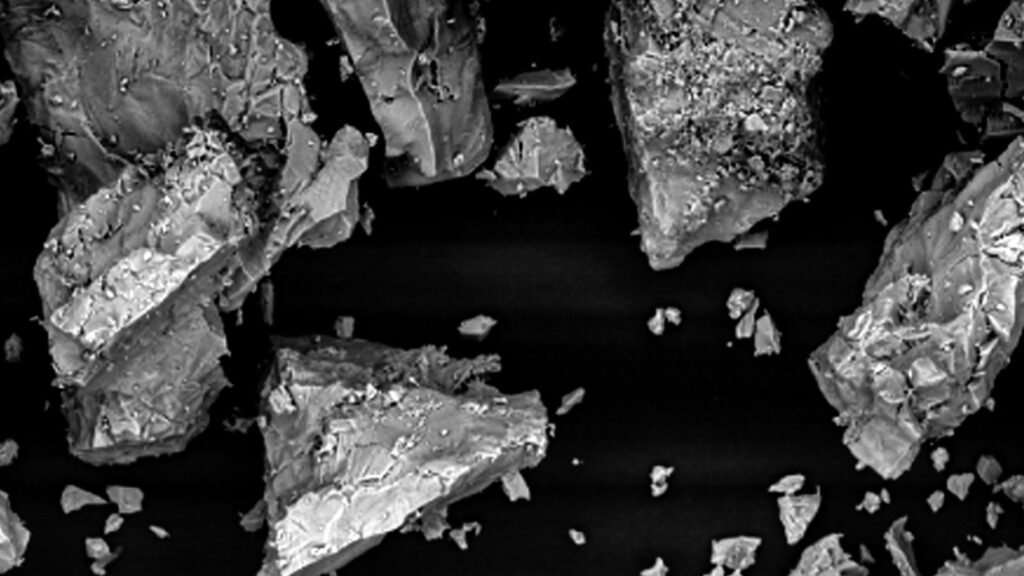
Pressureless sintering includes inert gas and vacuum sintering, which are both reported to have been used for sintering Ti. However, vacuum is far more commonly used than inert gas sintering for Ti. The first experiments aimed at sintering Ti sponge were performed by Kroll in 1937. During these experiments, Kroll used a low-pressure argon atmosphere […]
CIP-sinter-HIP process
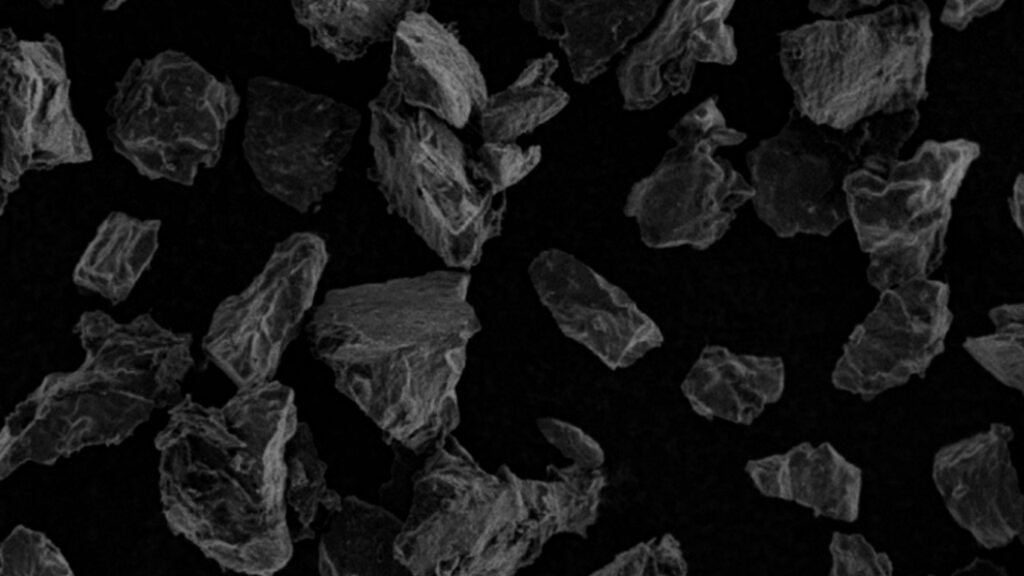
The CIP-sinter-HIP (CHIP) process is a multi-step PM process in which a green body/preform is produced via cold isostatic pressing (CIP), conventionally sintered under vacuum, and then hot isostatically pressed to close the remaining porosity [158]. A schematic of this process is given in Figure 19. The CHIP process has enjoyed significant commercial attention. In fact, […]